
It’s a common feeling: You receive a Phase I Environmental Site Assessment (ESA), see the words Recognized Environmental Condition (REC), and immediately wonder whether the transaction is in trouble.
Take a breath. A REC is a flag, not a verdict.
The REC itself rarely kills a commercial real estate deal. The unknowns around it usually do:
- What is the potential contamination?
- How far does it extend?
- What will the investigation or cleanup require?
- How long will the process take?
- Will the lender approve the property?
Those questions can feel like a maze. But with the right technical partner and a focused plan, you can often turn an alarming Phase I finding into defined information that helps the parties negotiate, plan, and move forward.
Key takeaway: A REC does not automatically mean the deal is dead. The goal is to define the problem, understand the available paths, and give your lender and legal team a practical plan.
What Does a REC Mean in a Phase I ESA?
A Phase I ESA is an environmental check-up for a property. It typically includes historical records research, a site inspection, interviews, and a review of available regulatory information. It is generally non-intrusive, meaning the environmental professional does not usually collect soil or groundwater samples during the Phase I.
Phoenix Environmental prepares Phase I ESAs using ASTM E1527-21, the industry standard practice for conducting environmental site assessments for commercial real estate.
Under ASTM E1527-21, a Recognized Environmental Condition (REC) means the known or likely presence of hazardous substances or petroleum products in, on, or at a property because of a release, likely release, or material threat of a future release.
In plain language, the environmental professional found something that deserves a closer look.
That “something” might involve:
- A former underground storage tank
- A historical gas station or fueling area
- A dry-cleaning operation
- Industrial chemical use
- A spill or regulatory listing
- Stained soil, floor drains, or unusual fill material
- A neighboring property that may have affected the site
A REC does not, by itself, tell you the full size, depth, concentration, or cleanup requirements of a potential release. That is why a flagged Phase I is often the beginning of the investigation, not the end of the deal.
If you are still working through the Phase I process, Phoenix’s Phase I ESA guide can help you understand what the report is designed to uncover and how it fits into commercial real estate environmental due diligence.
Why the Deal Really Stalls
The phrase that creates the most uncertainty is usually simple:
“There may be contamination, but we do not know how much.”
That uncertainty affects three pressure points.
1. Cost
When buyers search for Phase I ESA cost or Phase II ESA cost, the most useful answer is not a generic number. The real cost depends on the site-specific scope.
A Phase II may be relatively focused if the REC points to one well-defined area. A more complex property may require additional soil borings, groundwater sampling, soil vapor testing, laboratory analysis, or regulatory coordination.
Remediation cost also depends on site-specific conditions and regulatory review. The type of contaminant, the depth and extent of the impact, future property use, disposal requirements, and applicable cleanup standards can all affect the path forward.
The important first step is not guessing. It is defining the scope well enough to develop a defensible cost estimate and transaction strategy.
2. Timeline
A closing can become exposed when the environmental investigation starts too late. This is especially true for time-sensitive acquisitions, 1031 exchanges, SBA-backed loans, and transactions with limited due diligence periods.
An unresolved REC may require:
- Additional investigation
- Laboratory analysis
- Lender review
- Seller negotiations
- Contractor input
- Regulatory communication
The sooner the parties understand what needs to happen, the more options they usually have.
3. Lender Sign-Off
Many lenders do not require a property to be perfectly clean. They need to understand the environmental risk and see a reasonable plan for managing it.
A lender may ask for:
- A targeted Phase II ESA
- A broader investigation
- A remediation plan
- A regulatory closure document
- Financial protection through an escrow holdback
- Documentation showing that contamination is controlled or addressed
This is why environmental work should be coordinated with the lender early. A technically sound investigation may not satisfy a lender if it does not answer the lender’s specific questions.
The Main Paths Forward After a REC
There is rarely only one option. The appropriate path depends on the property, the suspected source, the transaction structure, and the lender’s requirements.
A Targeted Phase II ESA
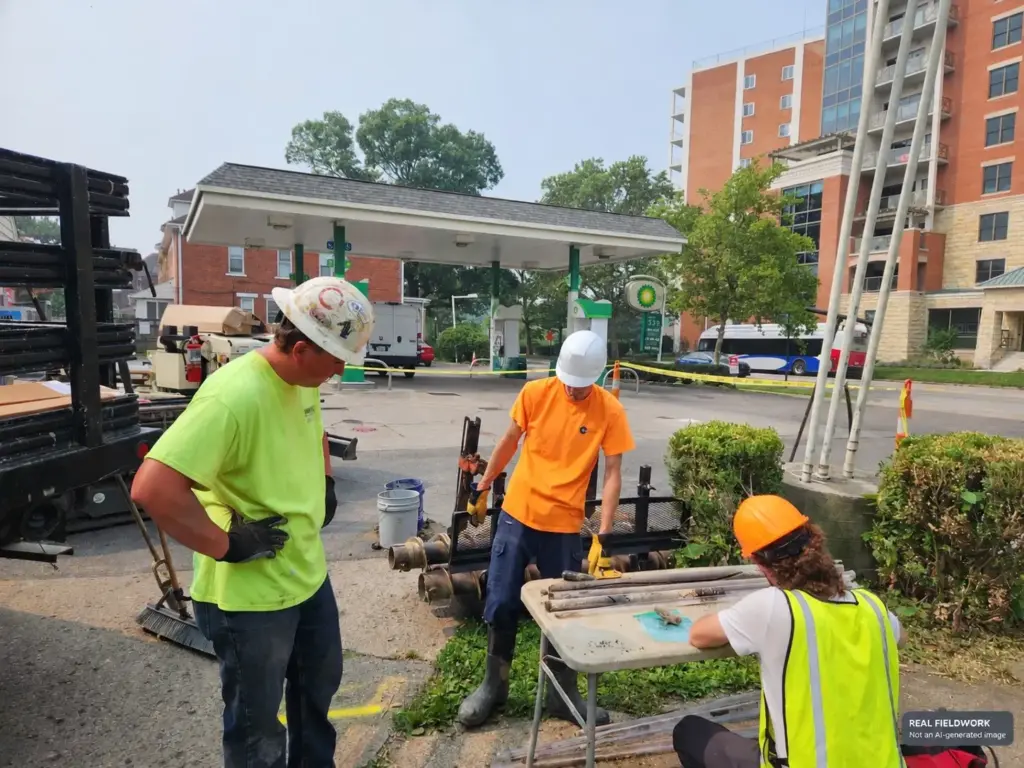
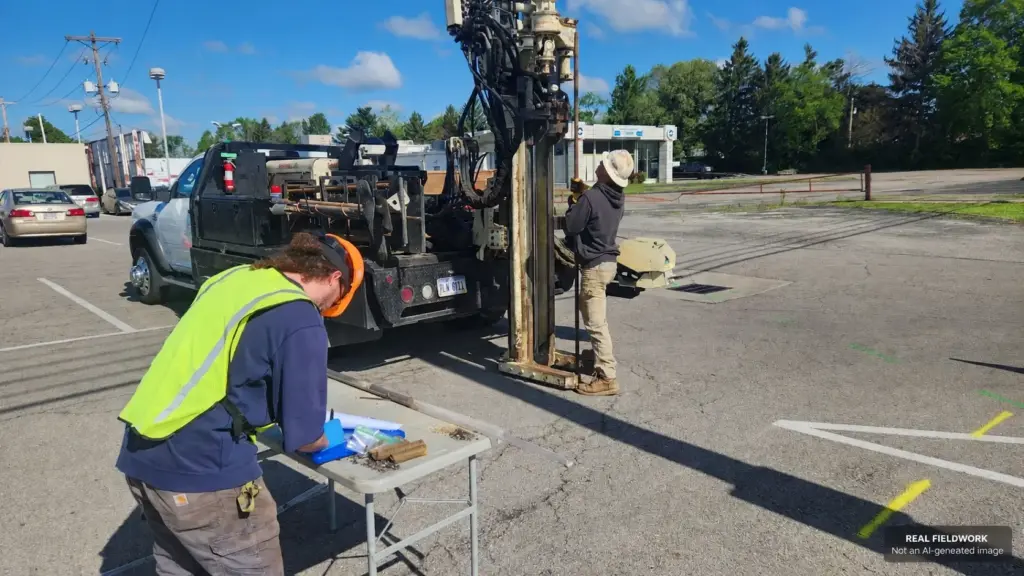
A Phase II ESA is an intrusive investigation that uses physical sampling and laboratory analysis to determine whether contamination is present and, if so, what type and extent.
Depending on the REC, a Phase II may include:
- Subsurface soil borings
- Soil sampling
- Groundwater monitoring and sampling
- Soil vapor testing
- Underground storage tank testing
- Sampling around drains, sumps, or former process areas
The goal is to replace broad concern with site-specific data. That information can help determine whether the REC is supported, whether further work is needed, and what the potential response may involve.
A Seller-Side Assessment
In some transactions, the seller may agree to investigate the REC before closing. This can give both parties better information while allowing the seller to remain involved in the environmental decision-making process.
The agreement should clearly address access, scope, reporting, lender review, and responsibility for any additional work.
An Escrow Holdback
An escrow holdback is money set aside at closing and held by a neutral escrow agent for a defined purpose, such as investigation, remediation, or regulatory work.
An escrow structure may help bridge the gap when:
- The parties want to close before all work is complete
- The scope is understood but the final work remains
- The lender requires financial protection
- The seller and buyer agree on responsibilities
The specific terms should be developed with the lender, attorneys, and environmental professionals.
A Price Adjustment or Other Deal Restructuring
Once the environmental scope is better defined, the parties may consider a price adjustment, seller-performed work, indemnification, a holdback, or other contractual protections.
The key is to negotiate from facts rather than fear. “There may be contamination” is difficult to price. A defined area, anticipated response, and documented cost estimate give the parties something concrete to evaluate.
A Regulatory Closure Route
For petroleum releases and underground storage tank issues in Ohio, BUSTR means the Ohio Bureau of Underground Storage Tank Regulations. A BUSTR No Further Action (NFA) status is a regulatory closure outcome indicating that the agency has determined additional corrective action is not required, subject to the conditions and documentation applicable to that site.
A BUSTR NFA route may involve investigation, tank removal, corrective action, regulatory submittals, and confirmation that applicable requirements have been met. It is not automatic, and the right path depends on the site’s history and regulatory status.
Phoenix can help property owners and transaction teams evaluate underground storage tank investigation and closure options, including situations involving former gas stations and petroleum releases.
Lenders Need a Defined Problem and a Plan
A lender’s concern is understandable. Environmental uncertainty can affect collateral value, future use, liability, and the borrower’s ability to complete the project.
But a REC does not always represent an unmanageable risk. A lender may be more comfortable when the file includes:
- A clear explanation of the REC
- A focused Phase II scope
- Laboratory results and maps
- A professional interpretation of the findings
- A remediation or monitoring plan
- A realistic timeline
- A regulatory closure strategy, where appropriate
This is where clear communication matters. The environmental professional, lender, buyer, seller, broker, and attorneys should not be working from separate assumptions.
Detective Work Beats Guesswork
Environmental due diligence is detective work. The Phase I identifies clues. The Phase II tests those clues. The final strategy connects the technical findings to the transaction and regulatory requirements.

When Phoenix is brought into a flagged property early, the goal is to put a defined scope and contractor-side cost estimate in the hands of the decision-makers before the transaction clock runs out.
Phoenix also takes the shortest legal path to regulatory closure. When existing technical data adequately support a conclusion, a technical weight-of-evidence letter may be more appropriate than unnecessary resampling. That approach can avoid repeating work that does not add meaningful information while still giving the lender, client, and regulator a clear technical basis for the decision.
A Phase II investigation should be designed around the actual question, not built as a one-size-fits-all exercise. You can read more about the process in Phoenix’s environmental site assessment overview. The next question is often more specific: What does a Phase II actually test, and how does it change the deal? Phoenix’s Knowledge Center is the place to continue that investigation.
A Practical Checklist for a Property With a REC
If your Phase I ESA identified a REC, start here:
- Ask the environmental professional to explain the REC in plain language.
- Identify the suspected source, contaminant, and affected environmental media.
- Confirm whether a Phase II ESA is recommended and why.
- Ask the lender what documentation will be required.
- Define the investigation scope before discussing the transaction response.
- Obtain a site-specific cost estimate and realistic timeline.
- Evaluate seller work, an escrow holdback, a price adjustment, or another structure.
- Determine whether a BUSTR NFA or another regulatory closure route may apply.
- Have your environmental professional and attorney coordinate their advice.
- Avoid unnecessary steps when existing evidence supports a technical weight-of-evidence approach.
A REC Is a Detour, Not Always a Dead End
A flagged Phase I can change a real estate adventure. It may add questions, deadlines, and negotiation points. But it can also be the moment when hidden risk becomes visible and manageable.
The silver lining is information. Once the scope, likely response, timeline, and lender expectations are defined, the parties can make a business decision instead of reacting to an alarming label.
If you have a property sitting with a REC and no clear path forward, Phoenix Environmental can provide a second set of eyes. There is no substitute for a site-specific professional evaluation, and this article is educational information, not a substitute for one.
For expert guidance on Phase I and Phase II ESAs, environmental remediation services, BUSTR compliance, and transaction-focused environmental due diligence, call Phoenix Environmental at (614) 746-2695 or contact our team.