
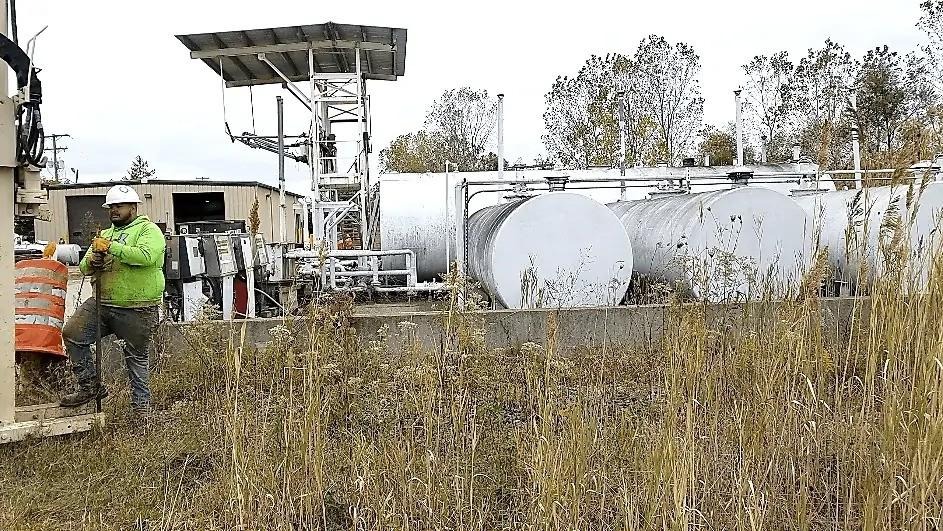
This behemoth of a site was “The First Phase I ESA” Phoenix completed after opening our doors in 2011!
If you’re new to commercial real estate, you might find yourself a bit lost when terms like Phase I ESA, REC, or ASTM start popping up in a deal.
It’s a common feeling. Environmental due diligence can sound technical fast, especially when you’re already juggling lenders, attorneys, timelines, and closing pressure.
The good news is this: you do not need to become an environmental expert overnight. You just need someone in your corner who can bring the science down from 30,000 feet to ground level.
A Phase I Environmental Site Assessment (ESA) is basically an environmental check-up for a property. Its job is to help you understand whether a site may have contamination issues or cleanup liability before you close. In plain English, it helps you avoid buying a problem you didn’t know was there.
At Phoenix Environmental, we approach Phase I ESAs like practical detective work. We dig into the property history, inspect the site, review records, and then explain what matters in a way that actually makes sense for your transaction.
What a Phase I ESA Really Does
A Phase I ESA helps answer a simple question: Are there environmental red flags tied to this prop- erty?
That includes things like:
- Past industrial use
- Old underground storage tanks
- Signs of spills or releases
- Nearby properties that could affect your site
- Historical uses that may still create risk today
This is why lenders, investors, and buyers rely on it. It’s not just a checkbox. It’s part of protecting your deal.
Why New CRE Professionals Need a Good Environmental Partner
When you’re early in your CRE career, one of the biggest advantages you can have is a consultant who can translate the technical stuff clearly and quickly.
A good partner should help you:
- Understand the risk without burying you in jargon
- Keep the deal moving with responsive communication
- Spot issues early before they turn into closing delays
- Explain next steps if a Phase II ESA or additional testing is needed
That’s where experience matters. A Phase I report is important, but so is having someone who can talk through the findings in real-world terms.
A Few Terms Worth Knowing
To bring the science down from 30,000 feet, here are three quick definitions:
- Phase I ESA: A records review, site visit, and historical investigation used to identify potential envi- ronmental concerns.
- REC (Recognized Environmental Condition): A red flag suggesting a likely or known release of hazardous substances.
- ASTM E1527-21: The current industry standard that guides how Phase I ESAs are completed.
You do not need to memorize the acronyms. You just need a team that can explain what they mean for your property.
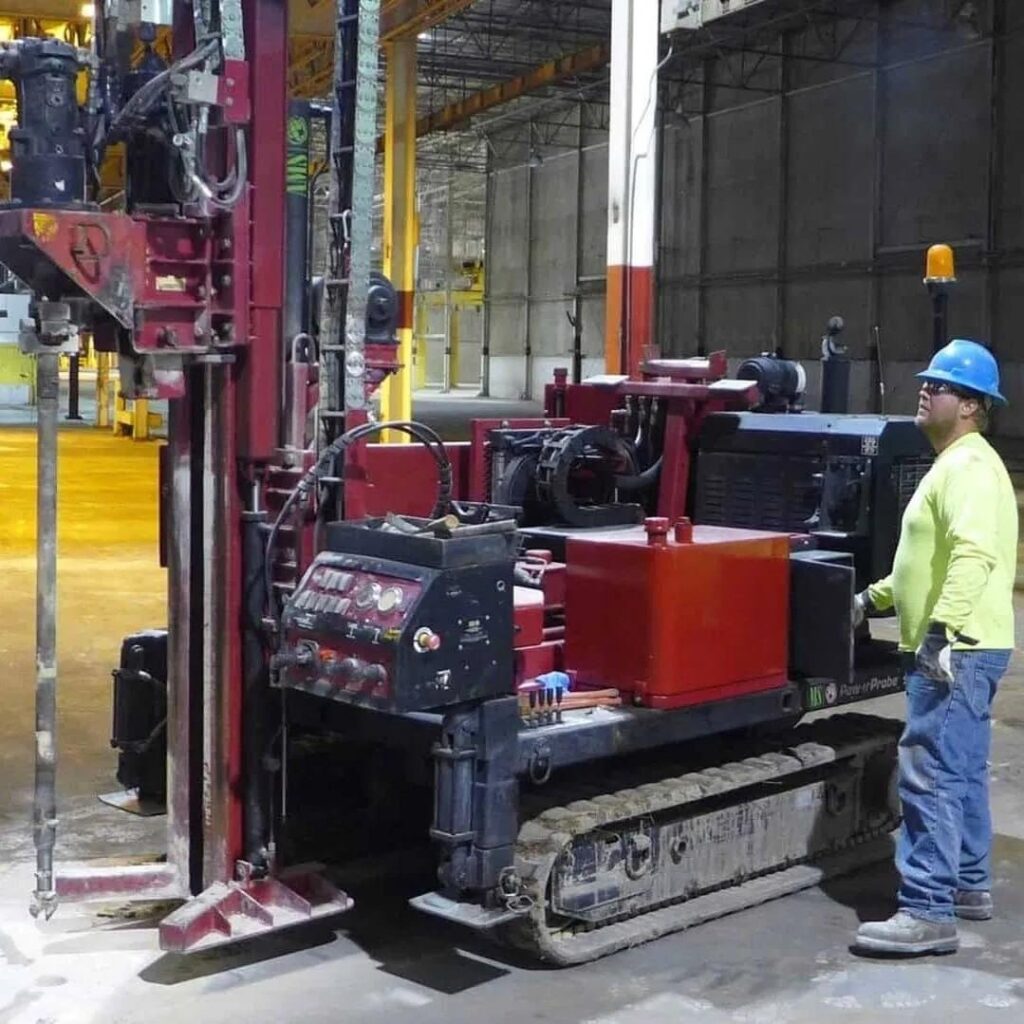
Note: A Phase I ESA doesn’t include any physical sampling. That happens, if needed, during a Phase II. A Phase I is what we call the “Scooby Doo” research.
The Bottom Line
If you’re stepping into commercial real estate, environmental due diligence can feel like one more layer of complexity in an already busy process. But with the right partner, it becomes a lot more man- ageable.
At Phoenix Environmental, we help clients understand what matters, what doesn’t, and what to do next—without making the process harder than it needs to be.
Need a Phase I ESA partner who can keep things clear and keep your deal on track? Contact us today for a quote.